
Structural Insulated Panels (SIPs): A Modern Solution for Efficient Construction
Structural Insulated Panels (SIPs) are increasingly recognised as a practical and forward-thinking approach to modern construction. While no system is without limitations, SIPs offer a combination of efficiency, strength, and sustainability that makes them worth serious consideration for contemporary architectural projects.
What Are SIPs?
SIPs are prefabricated panels composed of an insulating foam core - often expanded polystyrene (EPS), extruded polystyrene (XPS), or polyurethane - sandwiched between two structural facings, typically oriented strand board (OSB). This integrated design provides both structural support and thermal insulation, making them suitable for walls, roofs, and floors.
Energy Efficiency That Delivers
The airtight construction and continuous insulation of SIPs offer measurable improvements in energy performance. Buildings constructed with SIPs can maintain more stable interior temperatures and reduce heating and cooling demands. While installation precision is important to achieve these benefits, when executed properly, SIPs provide a clear path toward lower energy costs and a smaller carbon footprint.
Faster Construction, Fewer Compromises
Prefabrication allows SIPs to arrive on-site ready for assembly, which can significantly reduce construction timelines. This efficiency does not come at the cost of quality. Properly installed panels create a seamless, strong building envelope, minimising gaps and potential points of weakness. For builders and architects seeking both speed and performance, SIPs offer a compelling balance.
Structural Insulated Panels
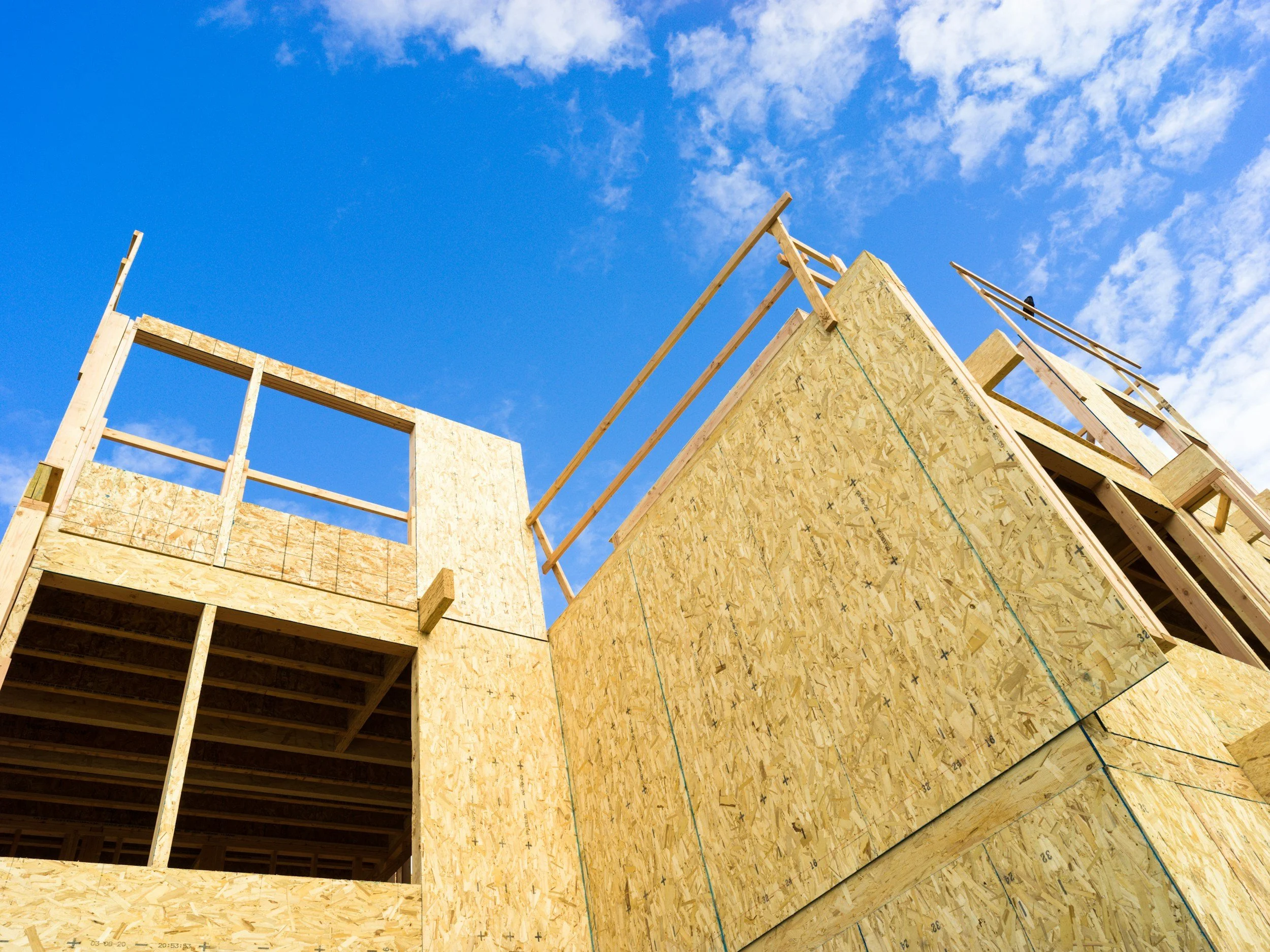
Strength and Design Flexibility
SIPs provide a high strength-to-weight ratio, enabling longer spans and more open interior layouts without excessive framing. This structural capacity opens up design possibilities that are difficult to achieve with traditional methods. Architects can create bold, clean spaces while maintaining the durability and stability expected in modern construction.
Sustainability in Practice
SIPs align well with environmentally conscious building practices. Reduced energy use, minimised construction waste, and increasing incorporation of recyclable materials all contribute to a lower environmental impact. While no building system is entirely without footprint, SIPs demonstrate how thoughtful material selection and precision manufacturing can advance sustainable design goals.
Challenges Worth Managing
Like any construction system, SIPs require careful planning and handling. Moisture management and precise installation are crucial to performance and longevity. Upfront costs may be higher than conventional materials, but the long-term savings in energy, labour, and environmental impact often outweigh initial investment. For architects and homeowners committed to efficient, sustainable building, these challenges are manageable and well worth addressing.
The Future of SIPs
SIPs are not a passing trend - they represent a shift toward more intelligent, integrated building solutions. They allow designers to combine energy efficiency, structural integrity, and construction speed in ways that conventional methods often cannot. As awareness of sustainable and efficient construction continues to grow, SIPs are poised to become an essential tool for architects and builders seeking high-performance buildings.